

Buy Quality Backlinks Cheap: The Safe Way to Think About It
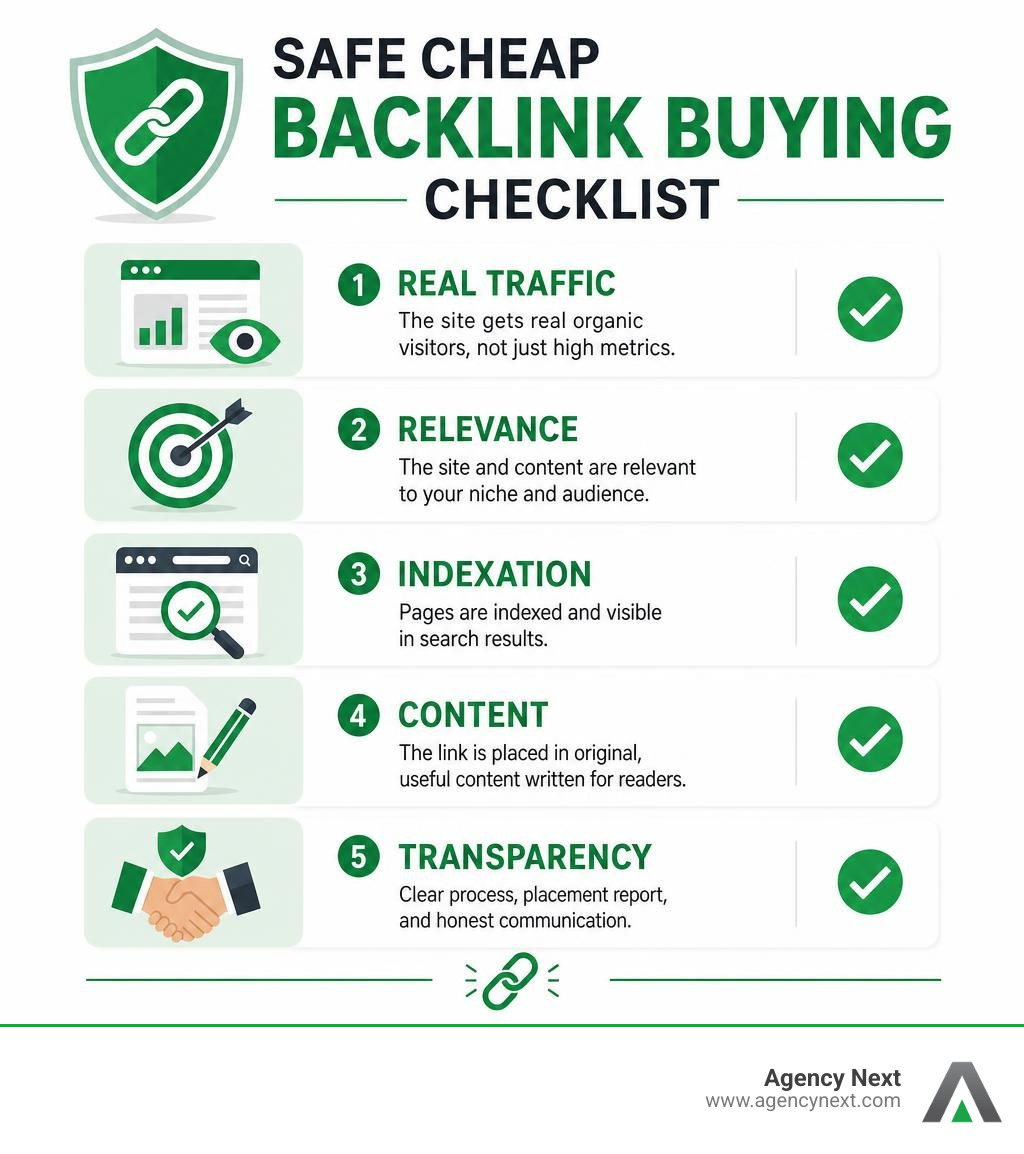
You can buy quality backlinks cheap, but "cheap" should mean good value , not hundreds or thousands of links from sites nobody visits. The safest option is a small number of real, relevant, indexed editorial links with useful content around them - not automated profiles, blog comments, directories, or private blog network links.
| Usually safer | Usually risky |
|---|---|
| In-content link on a relevant, real website | Thousands of links sold in one package |
| Original article written for readers | Reused, spun, or generic content |
| Site has real organic traffic and indexed pages | High DA/DR metric but no real audience |
| Clear placement report and link review process | Vague promises, no examples, no refunds |
| Slow, natural-looking link growth | Instant "ranking guaranteed" results |
Google does not reward a link simply because it is dofollow, has a high third-party authority score, or comes in a large package. It evaluates patterns, relevance, trust, and whether links appear to be made mainly to manipulate rankings. That is why low-cost mass-submission services can create more risk than value, especially for a local business that cannot afford to lose search visibility.
The goal is not to build the largest backlink profile. It is to earn or carefully acquire links that make sense for your business, your service area, and the pages you want customers to find.
I am Koby Luedtke, Co-Founder of Agency Next, where I help local businesses improve visibility with conversion-focused websites, SEO, video, and practical digital strategy. In this guide, I will explain how to buy quality backlinks cheap without confusing volume, vanity metrics, or sales promises with lasting SEO value.
How to Buy Quality Backlinks Cheap Without Triggering Google Penalties
When site owners look to buy quality backlinks cheap, they often land on digital marketplaces promising massive link authority overnight. However, Google’s search algorithms are explicitly trained to detect artificial link schemes and scaled link-building patterns. Getting penalized isn't always an explicit manual action notice in Google Search Console; more frequently, it manifests as a quiet, devastating algorithmic devaluation where your site simply stops ranking for key search terms.
Mass-submission services operate by blasting your target URL across automated platforms. While acquiring backlinks is a standard practice in modern digital marketing, there is a fundamental difference between manual, contextual link placements and low-cost scaled schemes.
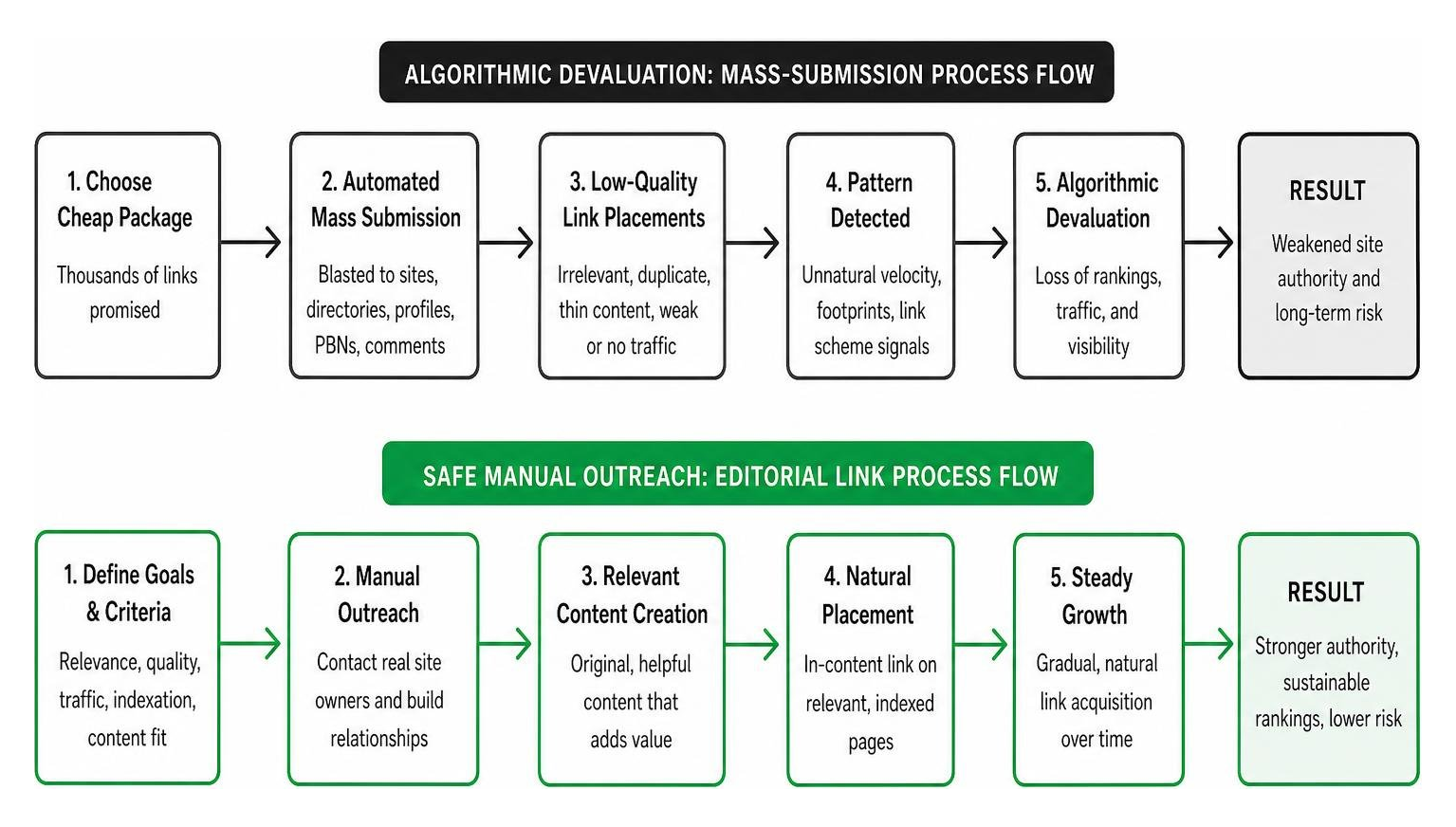
Below is a direct comparison of how low-quality mass-submission packages stack up against legitimate contextual editorial backlinks:
| Metric / Feature | Low-Quality Mass Submissions | Contextual Editorial Backlinks |
|---|---|---|
| Typical Cost | $10 – $100 per package (thousands of links) | $50 – $300 per individual placement |
| Placement Type | Profiles, sidebars, blog comments, Web 2.0s | Embedded naturally within 600–900 word articles |
| Content Quality | Automated, spun, or generic templates | Unique, human-written, niche-relevant copy |
| Host Website Traffic | Zero organic traffic; dead or automated domains | Real, verified monthly organic search visitors |
| Indexation Rate | Low (< 20% remain indexed long-term) | High (indexed within days and retained naturally) |
| Penalty Risk | Extremely high (triggers spam filters) | Low to non-existent when anchor distribution is natural |
Red Flags When Trying to Buy Quality Backlinks Cheap on a Budget
If you are trying to buy quality backlinks cheap, keeping your budget under control requires knowing what not to purchase. Cheap link marketplaces are filled with sellers making promises that violate basic SEO principles.
Here are the critical red flags to look out for:
- Explicit Search Engine Ranking Guarantees: Google's official webmaster documentation explicitly warns site owners to beware of SEO providers claiming guaranteed page-one positions. Search algorithms evaluate hundreds of signals; no vendor controls Google's ranking formula.
- Massive Volume at Unrealistic Prices: Offers promising 1,000 to 5,000 backlinks for $20 to $100 are instant red flags. High-volume packages—like a 1,000 DoFollow Backlinks package or a 2500 Backlinks Pack with 2026 SEO Organic Traffic Growth Package With Google Ranking Formula for $100 - SEOClerks —rely heavily on automated scripts, directory blasts, and comment spam.
- No-Refund Policies and Zero Transparency: Reliable agencies and vendors provide sample placements and detailed reporting. Vendors who refuse refunds once work begins or conceal host domain URLs until after payment often hide low-quality networks.
- Unnatural Link Velocity: Dropping 2,000 links onto a brand-new website over a 48-hour window triggers immediate algorithmic velocity alerts in search engines.
Distinguishing Spam Profiles from Legitimate White-Hat Link Placements
Distinguishing a toxic link from a healthy authority link requires evaluating domain performance metrics rather than relying solely on third-party authority scores like Domain Authority (DA) or Domain Rating (DR). Metric manipulation is rampant in cheap link networks. A seller can inflate a private domain's DR to 50+ using automated link blasts, even if the site receives zero real human visitors.
To evaluate whether a link placement is legitimate, run host domains through traffic checking tools to confirm they hold real organic keyword rankings. Look for sites with a healthy ratio of referring domains to outbound links, consistent indexation status, and strict content publishing guidelines.
Backlink Types Evaluated: Foundation Links, PBNs, Tiered Pyramids, and PR Links
Not all links carry the same structural weight or safety profile. To choose the best option when attempting to buy quality backlinks cheap, you must understand the four primary backlink categories sold online. We regularly publish comprehensive guides on link evaluation in our Resources hub to help business owners make informed choices.
Comparing Foundation Links, Profile Links, and Contextual In-Content Placements
Foundation links are baseline backlinks created on open, publicly accessible platforms. These typically include business directory profiles, Web 2.0 social blogs, PDF/document-sharing platforms, and social citations. Marketplaces offer services such as 50 Manual White hat Authority Backlinks for $25 - SEOClerks to establish initial backlink diversity for new web properties.
While foundation links are useful for establishing anchor text balance and brand signals, they carry minimal ranking power compared to contextual in-content placements. Contextual backlinks—where your link is embedded naturally within relevant body paragraphs—pass significantly more equity because search engine crawlers interpret them as genuine editorial recommendations.
The Truth About PBN Links and Tiered SEO Pyramids
Private Blog Networks (PBNs) are groups of expired domains bought specifically to pass link equity back to a target site. Sellers often promote country-coded network offers, such as 100. ID Indexable Backlinks with DR50+ DA 30+ skyrocket Your websites Permanent Links for $100 - SEOClerks, claiming these regional networks leave zero footprints.
In practice, PBNs carry severe penalty risks. Search engines track shared IP blocks, identical WHOIS data, cross-linking patterns, and thin content templates to dismantle network footprints.
Similarly, tiered link building attempts to buffer spam risks by building a pyramid structure:

Services like I Will Build a 5000 Powerful Tiered SEO Backlinks Pyramid for Higher Google Rankings | Zeerk structure thousands of automated web 2.0 and comment links into Tiers 2 and 3 to push indexing authority upward. While this buffers the target site from immediate low-quality signals, modern AI filtering algorithms frequently identify and discount these artificial pyramids entirely.
PR Backlinks and Editorial Placements for Fast Long-Term Rankings
PR backlinks represent an effective middle ground for budget-conscious site owners. Instead of paying premium editorial fees ($500–$2,000 per placement) for high-end HARO outreach, services offering PR Backlinks — Buy High PR Editorial Backlinks That Rank Fast place original 600–900 word articles on DR 50+ news sites, press syndicates, and authority platforms for $35 to $50 per link.
These placements provide dual value: they pass contextual dofollow link equity directly to your target pages while the host article itself can rank on page one for target long-tail keywords, driving real referral traffic back to your business.
Strategic Backlink Buying for New Sites vs. Established Brands
A strategic backlink strategy requires matching link acquisition tactics with domain age and established authority. Applying high-velocity link packages to a brand-new website is one of the fastest ways to trigger search engine sandbox filters.
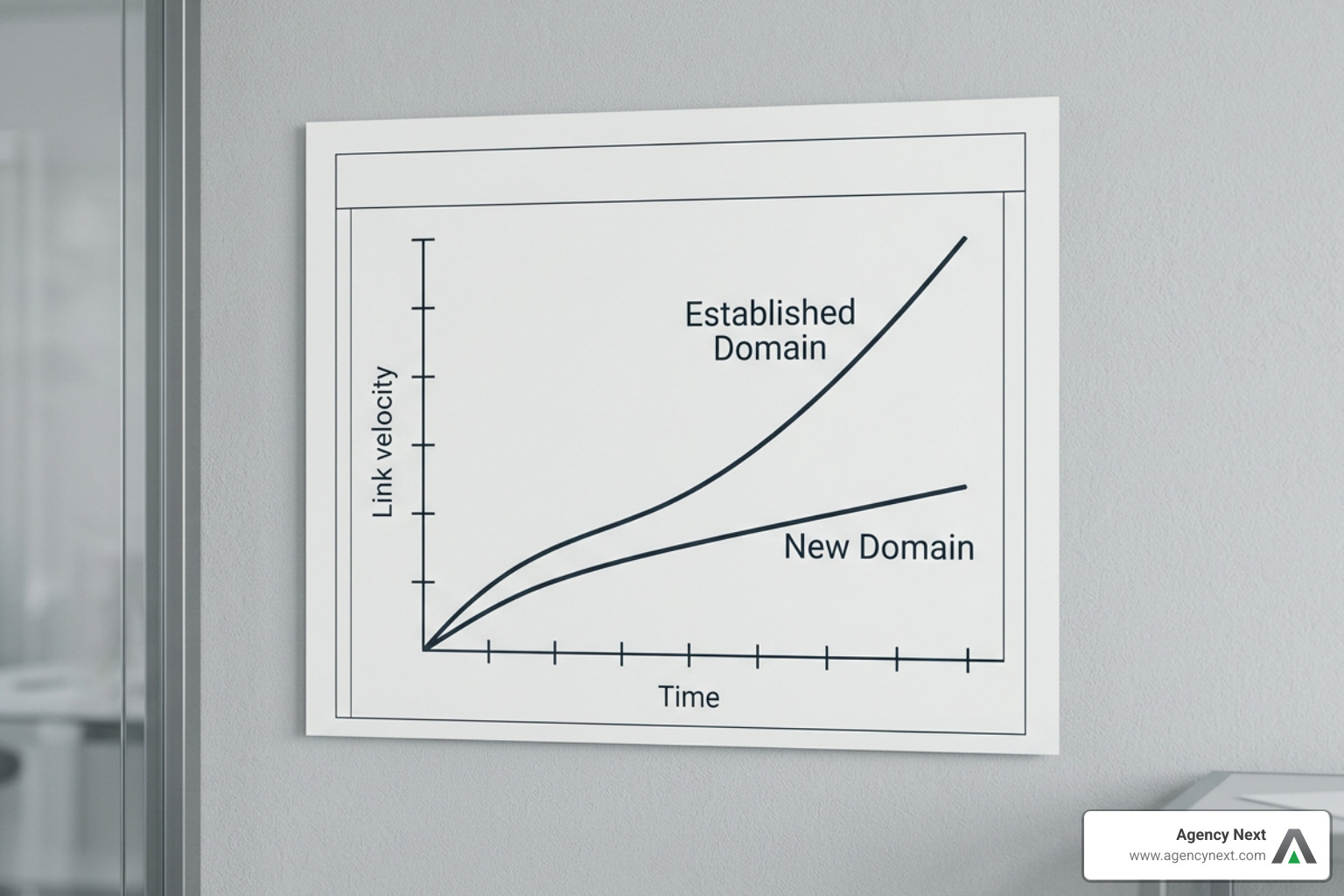
For a newly registered domain, prioritize safety, brand citations, and gradual authority building. New sites should focus on foundational trust signals—such as local directories, social profiles, and a few niche-relevant editorial placements—before attempting to buy higher volumes of dofollow backlinks.
Why High-Volume Services Claim White-Hat Status for Cheap Packages
Vendors selling bulk packages often advertise their offers as "100% White Hat SEO." They justify this label by pointing out that their links are created manually rather than through automated software, or because the links are placed on public authority domains like Medium, WordPress, or Tumblr.
However, manual creation does not equal white-hat compliance under Google’s Search Essentials. Creating hundreds of thin user profiles, generic Web 2.0 blogs, or forum accounts specifically to drop keyword-anchored links violates Google’s link scheme guidelines regardless of whether a human or a bot clicked the submission button.
Realistic SEO Pricing: What Quality Backlinks Actually Cost
Understanding standard industry pricing helps you avoid dangerous low-cost scams while spending your marketing budget wisely.

Here is what realistic backlink acquisition actually costs across common strategies:
- Foundation & Profile Packages:$25 – $100 per package (Best used strictly for brand diversity on new domains).
- PR & High-DA Editorial Placements:$35 – $150 per link (Offers high contextual value, reliable indexation, and low risk).
- Niche Edits / Contextual Link Insertions:$100 – $250 per link (Placing a link inside an existing, aged article that already holds Google rankings).
- Manual Guest Post Outreach:$150 – $400 per link (Covers manual blogger outreach, content writing, and editorial placement fees).
If you want to evaluate how link building fits into your broader growth goals, you can Book a Demo with our digital strategy team.
Is It Ever Safe for a New Website to Buy Quality Backlinks Cheap?
Yes, buying budget-friendly links for a new website can be safe, provided you follow four core rules:
- Drip-Feed Distribution: Ensure placements are delivered gradually over 30 to 60 days rather than delivered all at once.
- Prioritize Niche Relevance: Choose placements on host websites that closely align with your industry or regional market.
- Keep Anchor Texts Balanced: Keep brand names, naked URLs, and generic anchors ("visit website", "source") as 80%+ of your anchor text profile. Limit exact-match target keywords to under 10–15%.
- Demand Verified Indexation: Ensure host platforms are fully indexed by Google so your target page actually receives crawl equity.
Frequently Asked Questions About Buying Backlinks
What is a realistic budget for buying quality backlinks that rank without penalties?
A realistic budget for a small-to-medium business targeting local or moderately competitive regional terms is $300 to $1,000 per month. This budget allows you to acquire 3 to 8 high-quality, fully contextual editorial links from indexed, niche-relevant sites alongside baseline citation management, avoiding risky mass-submission packages.
How do contextual backlinks compare to profile or sidebar links in ranking power?
Contextual backlinks embedded within original, body content pass significantly more ranking power than sidebar, footer, or profile links. Search engine algorithms evaluate surrounding text to understand topical relevance. Sidebar and footer links are frequently classified as sitewide site-level boilerplate elements, leading search algorithms to devalue or ignore them entirely.
How long does it take for bought dofollow backlinks to get indexed and pass authority?
Most search engines discover and crawl newly published contextual backlinks within 1 to 2 weeks. However, observing noticeable ranking improvements usually takes 3 to 6 weeks after indexation as algorithms update page-level authority scores and adjust target keyword SERPs.
Conclusion: Building a Safe and High-ROI Link Strategy
Trying to buy quality backlinks cheap does not mean cutting corners or risking your search rankings on automated link blasts. By focusing on real organic traffic, contextual editorial relevance, natural anchor text distribution, and verified indexation, you can steadily grow domain authority without triggering Google penalties.
At Agency Next, we help local businesses transform their digital presence through high-converting web design, video marketing, ad management, and strategic SEO solutions. Explore our full range of growth-focused Services to build a clear, penalty-free path to search engine visibility.
Featured Resources
Check Our Latest Resources